THE RATING
What UPF means
UPF tells you how much UV passes through dry, unstretched fabric. A UPF 30 fabric lets through 1/30th of the UV that falls on it.
Check a ratingWHAT THE GUIDANCE SAYS
Clothing is the sun protection you never have to reapply.
Sunscreen has SPF; fabric has UPF. Some garments carry a rating, but any close-woven, well-fitting top that covers your shoulders helps. UK health guidance puts clothing alongside shade and sunscreen, not behind them.
COVER UP close weave, long sleeves
THE SHORT ANSWER
Clothing blocks UV for as long as you wear it.
Sunscreen covers the skin clothes cannot.
THE RATING
UPF tells you how much UV passes through dry, unstretched fabric. A UPF 30 fabric lets through 1/30th of the UV that falls on it.
Check a ratingTHE FABRIC
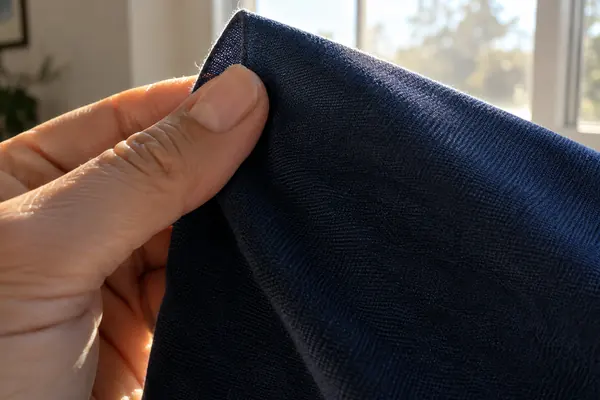
Cancer Research UK suggests holding material up to the light to check you cannot see through it. A close weave lets less UV reach the skin.
Choosing clothesTHE OUTFIT
The NHS suggests a wide-brimmed hat, a long-sleeved top and trousers or long skirts in close-weave fabrics.
See the numbersA QUICK LABEL CHECK
Pick a UPF rating to see how much UV the fabric blocks under the Australian standard used for sun-protective clothing. The bar shows the level of protection.
Based on Cancer Council Australia's summary of AS 4399:2020. Ratings describe dry, unstretched fabric. General information, not medical advice.
TWO NUMBERS WORTH KNOWING
One figure on what the best fabrics stop,
one on why cloudy days still count.
98%
UV blocked by a UPF 50 or 50+ fabric
Under the Australian standard, there are only four clothing ratings: UPF 15, 30, 50 and 50+. To claim one, a garment must also cover enough of the body.
FABRIC · AS 4399:2020
> 90%
UV rays that can pass through cloud
Cancer Research UK says you can still burn on cloudy, windy or cooler days, so shade, clothing and sunscreen still matter.
CLOUD · CANCER RESEARCH UK
The NHS says to spend time in the shade between 11am and 3pm from March to October in the UK, and not to rely on sunscreen alone.
FOUR THINGS THAT CHANGE PROTECTION
A rating describes fabric in ideal conditions. Cancer Council Australia lists what makes real clothing protect more or less.
Stretched fabric protects less, which is common in knitted or elasticated fabric. Choose the right size.
Fabric usually protects less when wet. Take a dry top to change into after swimming.
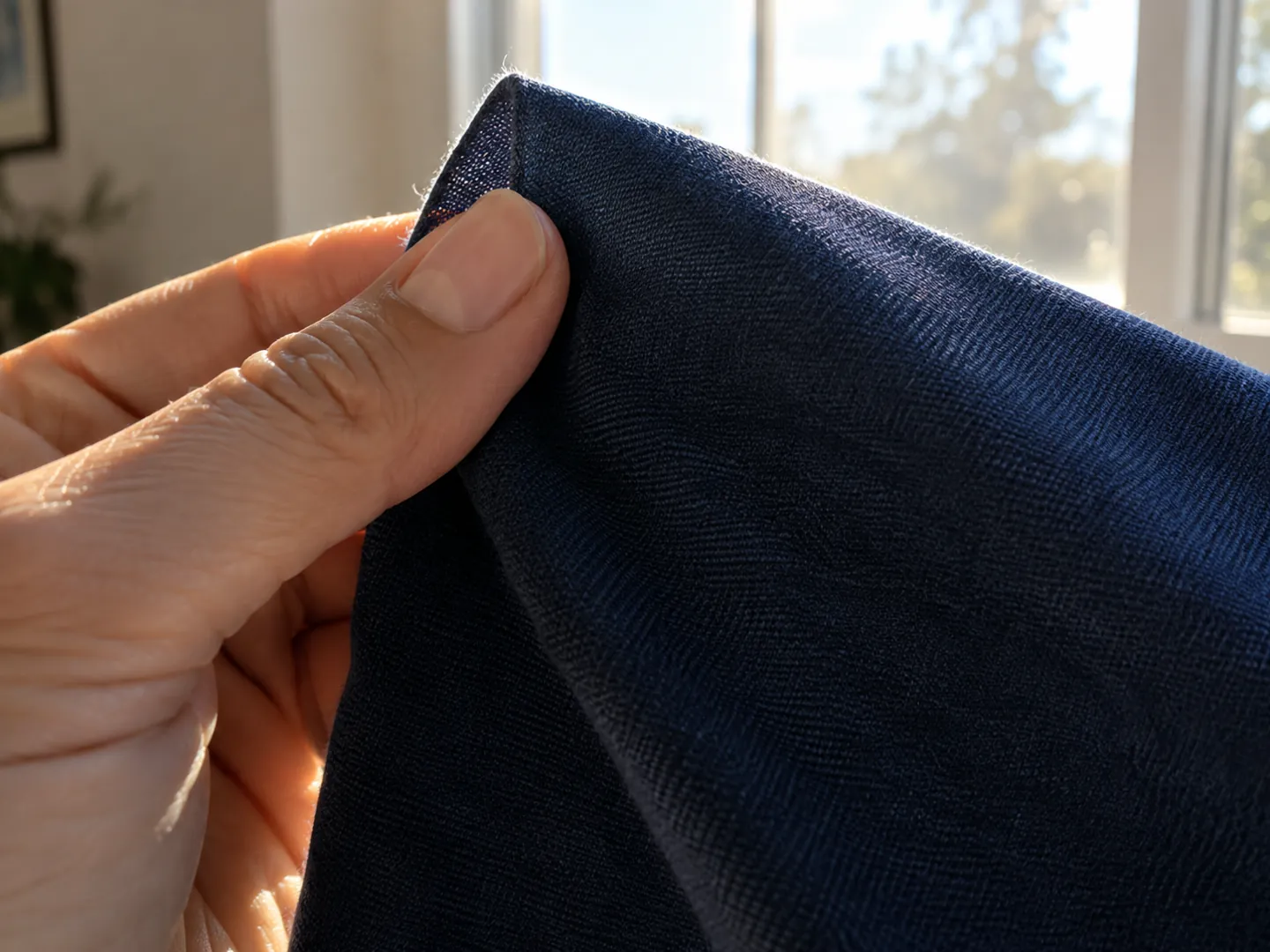
Darker colours such as black, navy and dark red absorb more UV than pastel shades of the same fabric.
Washing new cotton can shrink gaps and improve protection, but old, threadbare or faded clothes may protect less over time.

DESIGN COUNTS
Cancer Council Australia says a UPF rating covers both the fabric and the garment's design. To claim one under AS 4399:2020, a top must cover at least the torso and three quarters of the upper arm.
Collars, crew necklines, full-length sleeves and long trousers or skirts cover more skin. Cancer Research UK adds that loose-fitting clothes with long sleeves, or at least covering the shoulders, give better protection.
Questions
The NHS says SPF measures a sunscreen's protection against UVB. UPF measures how much UV passes through fabric, and The Skin Cancer Foundation notes it covers both UVB and UVA. A UPF 50 fabric lets through about 1/50th, or 2%.
No. Cancer Council Australia says fabrics do not need to be UPF rated to protect, and Cancer Research UK suggests checking a close weave by holding the material up to the light.
Less well. Cancer Council Australia says fabrics offer less protection when wet, depending on the fabric and how much water it absorbs.
Usually. Many dyes absorb UV, so darker colours of the same fabric absorb more than light pastel shades. Cancer Research UK also suggests dark or bright colours.
The NHS advises shade between 11am and 3pm from March to October, covering up with suitable clothing and sunglasses, and using sunscreen of at least SPF 30 with at least 4-star UVA protection.
Sources
ABOUT THIS NAME
skinweartech.com is part of the DoodleSale portfolio. It isn't in an auction right now, but you can ask about leasing it.